Here's the thing: if you’ve ever felt a pang of relief right after making a deposit on an online casino like MrQ, you’re definitely not alone. That little spike of relief, that momentary calm after clicking “Deposit,” is more common than people admit – and it’s interesting to unpack why.
Understanding That Relief: Deposit Relief Gambling Explained
When you deposit money into a gambling site, especially if you’re battling a nagging worry about losses, that deposit can bring a strange emotional comfort. You’ve funded your play, you’ve “bankrolled” your fun – and suddenly the tension eases.
You might think it’s just about money, but it’s more than that. This is what professionals sometimes call a gambling emotional trigger. The act of depositing can signal a sort of “permission” to play, and with that comes relief from uncertainty or anxiety.
You know what’s funny?
The very thing designed to keep us in check—tools like deposit limits or reality checks—can actually help with this relief if used right. But ever notice how nobody uses these tools consistently? Instead, many people feel relief at deposit time only to lose track of how much they’re actually spending.
Deposit Relief and the Common Mistake: Gambling Isn’t an Investment
Here’s a common misunderstanding that leads to deposit anxiety and emotional triggers: treating gambling like an investment instead of a purchase. The language itself shifts your mindset:
- Investment implies profit, control, and a return. Purchase means you’re paying for a service—entertainment, in gambling’s case—with a known cost.
But gambling always carries the house edge. So if you bet twenty pence a spin, your expected loss might be around 2-3 pence for every spin, on average. That’s not a failure—it’s the rule. You pay for the experience, just like you’d pay twenty pence for a snack at a vending machine.
Notice something? You accept paying twenty pence for a snack, but many people tense up when they “pay” the same amount per spin, expecting profits back. This is when deposit relief serves as a brief emotional escape from facing that cost reality.
The House Edge and The Real Cost Per Hour of Play
To turn percentages into cold, hard cash: if you spin a slot at twenty pence per spin and the game's Return to Player (RTP) is 95%, that means the house edge is 5%. The house expects to keep 5% of all money wagered over time.
Bet Size (per spin) Spins Per Hour RTP Expected Loss Per Hour £0.20 500 95% £5.00Here’s the math: 500 spins/hour × £0.20 = £100 wagered per hour. At 95% RTP, you expect to lose 5%, which is £5 per hour on average.
This isn’t about tricks or luck; it’s the house’s business model. Yet psychological relief at depositing can make people ignore this reality until the losses build up.
Deposit Limits: The Underused Safety Net
Now, here’s one of my pet peeves. Regulatory systems like the NHS gambling clinic system and many gambling operators, including online slots RTP MrQ, have built-in deposit limits. But these get surprisingly little love.
Imagine deposit limits like telling yourself you’ll only eat a certain number of snacks per day—not because snacks are evil, but because you care about your wellbeing. That’s exactly what deposit limits do for your gambling.
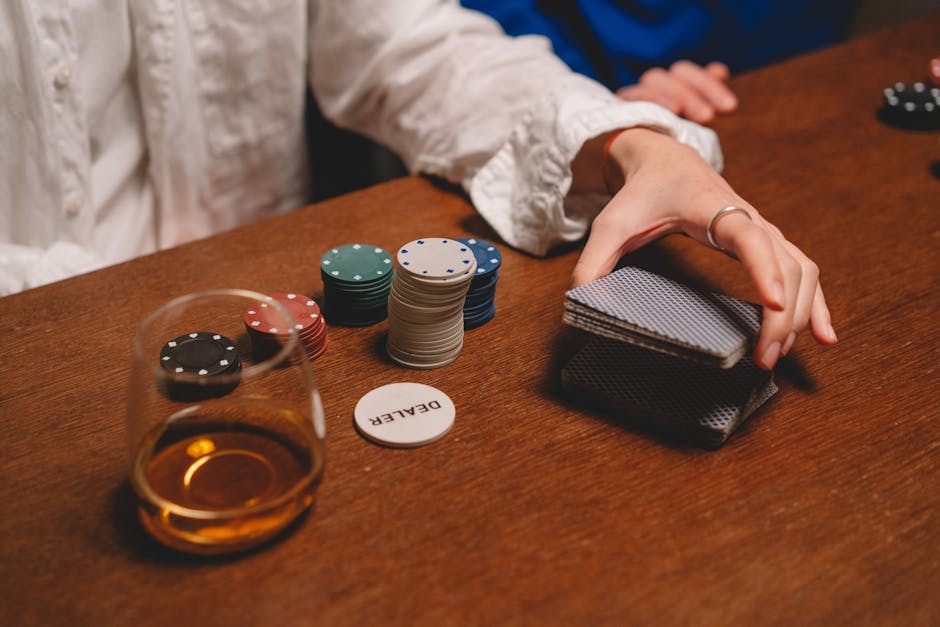
Here’s the catch: deposit limits aren’t “failures” if you need to re-set or adjust them. They’re tools to help keep gambling a bounded purchase—an entertainment spend you don’t regret. But many shy away from setting limits because they underestimate their own emotional triggers around deposits.
Reality Checks: Fighting Time Distortion During Play
Another overlooked tool is the reality check. Play long enough on a site like MrQ, and you might start to lose track of how long or how much you’ve played. Minutes stretch and blur. That’s normal; it’s human nature under light and sound stimuli.
But reality checks—those pop-ups or alerts reminding you what time it is or how much you’ve wagered—break that trance. They bring your attention back to the actual cost of the session.

Ever notice how calming seeing “You’ve played for 1 hour and spent £20” can be? Reality checks act like a friend tapping your shoulder to say, “Hey, check this out.”
So, Is Gambling Relief When Depositing Normal?
Yes, it’s perfectly normal to feel relief after depositing money. But it’s only useful if it doesn’t blind you to the real cost of play or lead to emotional overspending.
Using tools like deposit limits and reality checks—not as punishments, but as guidance—can turn that relief into a healthy, managed calm instead of momentary masking of anxiety.
A Word from the NHS on Gambling Emotional Triggers
The NHS gambling clinic system emphasizes understanding emotional triggers like deposit relief, not just the behaviors. Recognizing that deposit relief can be a positive sign you want control, rather than a negative sign you’ve lost it, helps shift how you approach gambling.
In short: don’t beat yourself up for feeling that relief. Instead, use it as a cue to engage safety tools already in place. Deposit limits and reality checks are there to help you keep gambling fun, balanced, and conscious.
Final Thoughts
Gambling is a bounded purchase, not an investment. Accept the cost as payment for entertainment. Deposit relief is a natural emotional trigger, signaling you’ve funded your play—but watch out for in-the-moment overspending. Deposit limits are your friend, not a restriction. Set them early and adjust if necessary. Reality checks disrupt time distortion and help you stay aware of your actual spend and time played. Understanding the house edge and expected losses per hour, like twenty pence a spin translating to £5/hour expected loss, anchors your expectations.So next time you feel that relief after depositing, don’t just shrug it off—use it. Engage your limits, let a reality check break the haze, and keep gambling in the “just a purchase” zone that keeps it safe and enjoyable.
```