When you play a casino game what is RTP in slots on an online platform like MrQ, you often encounter terms like probability and randomness. Though these two ideas seem closely related, they carry distinct meanings, especially when it comes to casino gaming. Understanding how probability and randomness differ helps players grasp why games offer thrilling uncertainty and how the outcomes come about. Alongside that, human emotions and cognitive biases influence how we perceive these outcomes, sometimes leading us to misjudge risks or expect patterns where there are none.
Probability Basics: The Framework Behind Casino Games
Probability is a measure of how likely an event is to occur. For example, if you toss a fair coin, the probability of getting heads is 50% because there are two equally possible outcomes: heads or tails. In the context of casino games, probability informs us about the chances of winning or losing a bet given the rules and structured systems behind the game.
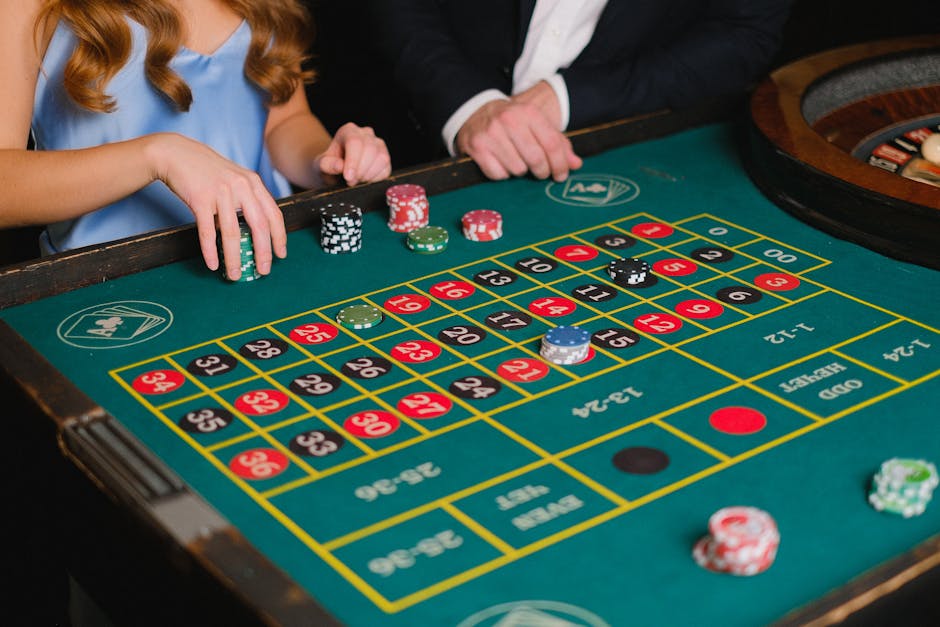
Casinos use probability as a foundation to design games that are both enjoyable and profitable in the long run. For instance, roulette has a fixed set of winning slots, so you can calculate the exact probability of a ball landing on any given number. This predictability in probability does not eliminate uncertainty but frames it within a definable structure.
How Probability Shapes Casino Games
- Defines odds and payouts — higher probabilities often mean smaller payouts, while less likely events yield bigger rewards. Establishes house edge — the casino's advantage built into the game's odds, ensuring their long-term profitability. Helps players make educated decisions — understanding probability basics allows players to weigh risks thoughtfully.
For example, in slots developed by companies like NetEnt, each symbol combination has a known probability, even if the player isn’t explicitly aware of it. This transparent structure underpins the game's fairness.
Random Outcomes: The Role of Randomness in Games
Randomness refers to outcomes that cannot be predicted with certainty beforehand because each event occurs independently and without a deterministic pattern. In casino games, randomness is essential to maintain fairness and excitement. Without randomness, players would quickly identify predictable patterns and lose interest.
The core technology behind randomness in online casino platforms is the random number generator (RNG). RNGs are algorithms designed to produce sequences of numbers that lack any predictable pattern and simulate the effects of chance. Because casino games cannot rely on physical elements like dice or spinning wheels online, RNGs ensure results remain unpredictable and fair.
Why Randomness Matters
Generates uncertainty — each play is like a fresh roll of the dice, increasing anticipation. Prevents cheating or pattern exploitation — players cannot guess outcomes based on past results. Keeps gameplay engaging — randomness fuels the thrill we seek when gambling.For instance, when you spin a slot machine at MrQ, the RNG decides which symbols appear on the reels. Even though the game follows fixed probability distributions, each spin is independent and random, defying players' attempts to predict results.
How Probability and Randomness Differ and Work Together
While probability is about the likelihood of specific events occurring within rules and structured systems, randomness describes the unpredictable nature of individual outcomes. Think of probability as a map outlining possible destinations and how often they can be reached, whereas randomness is the unpredictable journey that leads you there.
Here’s a clear example:
Aspect Probability Randomness Definition The measure of how likely an event is to occur. The unpredictable nature of an individual outcome. Predictability Known odds can be calculated in advance. Exact outcome can’t be predicted beforehand. Example in Casino Probability of hitting a blackjack (21) in a hand. The actual cards dealt in a single hand. Role in Games Establishes underlying game fairness and house edge. Keeps each play unique and exciting.Without probability, randomness would be chaotic and unfair; without randomness, probability would become predictable and dull. Together, they maintain a game’s integrity and player engagement.
Uncertainty Creates Anticipation and Excitement
Uncertainty is at the heart of gambling’s appeal. When players use online casino platforms like MrQ, the unpredictability of outcomes (thanks to randomness) and known odds (probability) combine to create a potent emotional experience.
Every unexpected win or near miss triggers dopamine release in the brain, heightening anticipation for the next round. This psychological response explains why even simple game mechanics—like spinning reels or flipping cards—can become highly engaging.
The Harvard Business Review once highlighted how uncertainty and chance fuel player commitment, as people are naturally wired to seek out scenarios where outcome and reward are unknown but tantalizing.
Risk Decisions Are Emotional, Not Purely Rational
Although probability can guide players toward rational decision-making, emotions often override cold calculations. When a player bets money, feelings like excitement, fear, or hope influence their choices. For example, a player might continue betting despite unfavorable odds because the thrill of winning outweighs the rational assessment of risk.
Many psychological studies show that the brain’s decision systems heavily weigh emotions alongside logical reasoning during gambling. This is why losses sometimes lead to riskier bets as players try to “chase” previous losses, a behavior driven more by emotion than probability understanding.
Cognitive Biases Shape How We Perceive Probability and Randomness
Cognitive biases Click here for info are mental shortcuts or tendencies that affect how people interpret information. When dealing with probability and random outcomes, several biases come into play, influencing player behavior:
- Gambler’s Fallacy: The mistaken belief that past random events affect future ones (e.g., thinking a slot is “due” for a win after many losses). Illusion of Control: Overestimating one’s influence on random outcomes, like believing a special way of throwing dice will improve results. Confirmation Bias: Focusing on wins or sequences that support one’s expectations while ignoring contradictory evidence.
Online casino operators like MrQ design games with true randomness using RNGs to counter these biases, but players’ perceptions often remain subjective. Understanding these biases can help players interpret outcomes more realistically.
Final Thoughts: Embrace the Balance of Probability and Randomness
In summary, probability and randomness are deeply intertwined yet distinct concepts that shape the casino gaming experience:

- Probability basics provide the structured systems and odds that define game fairness and payouts. Random outcomes based on RNGs ensure each play is unpredictable and full of anticipation. Human emotions and cognitive biases influence how risk and chance are perceived and acted upon.
Game developers like NetEnt leverage these principles to craft straightforward but compelling casino games with engaging rules and meaningful uncertainty. Meanwhile, online platforms such as MrQ use advanced RNG technology to maintain trust and fairness. Recognizing the role of probability and randomness can make game play both more enjoyable and informed.
Related Reading
For a deep dive into how game makers like NetEnt design randomness and probability into their slots, check out our related post “Behind the Reels: How RNG Powers Your Favorite Slots”.
```