If you’ve browsed through UK-facing online casinos like MrQ, you may have noticed claims such as “works in any mobile browser” or “no app deposit needed.” But what exactly does this mean for your gaming experience — especially when it comes to deposits, withdrawal friction, and overall user experience on mobile devices?
In this article, we’ll unpack the real implications of mobile browser compatibility, the pros and cons of payment methods like Pay by phone bill (mobile network operator billing), and how UK-specific regulations like those from the UK Gambling Commission and UK Finance shape the journey. We’ll also highlight UX challenges around deposits and withdrawals on mobile and present an informed sanity-check on marketing buzzwords such as “instant” deposits.
The Evolution of Mobile Casino UX: Early Frictions and Today’s Responsive Cashiers
When smartphones first became mainstream, many online casinos launched “mobile versions” of their websites. But these were often bare-bones, requiring downloads or forcing users into clunky payment flows. Compatibility across different browsers and devices was spotty — frustrating players trying to make deposits or claim bonuses.
Over time, technologies advanced. Today, “mobile browser compatibility” or “responsive cashier” means that the casino’s payment and game interfaces automatically adjust to screen sizes and work seamlessly whether you’re on Chrome, Safari, Firefox, or even less common browsers on your phone. This allows deposit flows without any app downloads, a big plus for users wary of app storage or permissions.
- Early friction points included:
- Non-optimized deposit forms requiring zoom/pan Payments limited to desktop-only methods Apps needed to access full functionality
- Auto-detect of mobile device and browser Streamlined deposit forms tailored to device Mobile-friendly payment integrations
However, “works in any mobile browser” doesn’t automatically mean a perfect experience or that all payment methods and features (especially withdrawals) work identically well.
Pay By Phone Bill: Convenient Deposit Method with UK-Specific Limits
Among mobile payments, one option that has felt especially convenient for low-stakes UK players is Pay by phone bill, also known as mobile network operator (MNO) billing. Services like Boku and Zimpler let users charge deposits directly to their phone bill or prepaid balance, removing the need to enter card details or log in to a banking app.
Why has this felt like such a smooth deposit method, especially in UK mobile casino land?
Speed and simplicity: Deposits often complete with just a few taps or a confirmation SMS, requiring no complex forms. No card or bank details needed: Perfect for users who prefer not to share financial info online, improving trust and lowering friction. Works across mobile browsers: Since it uses carrier infrastructure, it’s largely platform-agnostic — aligning with “no app deposit” claims.This method made intuitive sense for mobile players who often want quick, straightforward experiences without extra downloads or redirects.
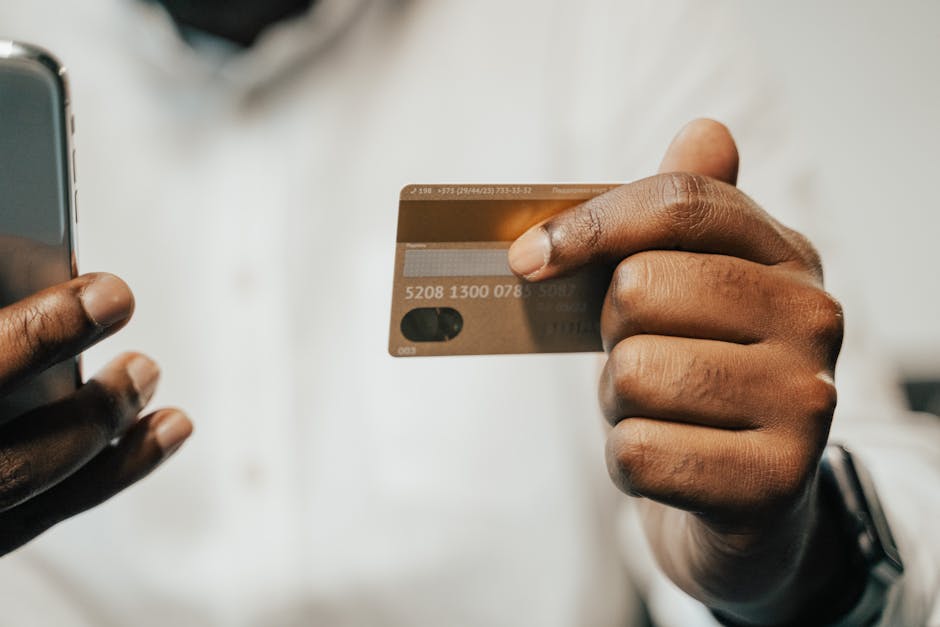

But There’s a Catch — UK Phone Bill Caps and Low-Stakes Positioning
The UK Gambling Commission has strict regulations to protect consumers from overspending and to combat gambling harms. One important stipulation is that deposits via mobile phone billing have capped maximum limits, usually around £30 per transaction, and aggregated monthly limits are enforced by mobile network operators themselves.
This means:
- Mobile bill deposits are mainly positioned as a low-stakes entry point They’re great for casual play or players wanting to control spend with a natural cap Not feasible for bigger bankrolls or high rollers
The cap effectively rules out “big” deposits through mobile billing, subtly steering users to cards or e-wallets if they want larger bets. This creates an interesting UX dynamic around “convenience vs. limits” that UK casinos like MrQ navigate carefully to remain fully compliant.
Deposit-only Limitation: The Withdrawal Challenge of Some Mobile Payment Methods
One of the most overlooked frustrations in mobile casino UX concerns withdrawals. Many payment methods, including Pay by phone bill, support deposits only. Pretty simple.. This can create a confusing experience where players easily fund their account but cannot withdraw winnings back to that same method.
Why does this matter?
- Withdrawal friction: Players must pick an alternative withdrawal method, often requiring additional verification steps and merchant support contacts. Trust concerns: Having to interact with complex withdrawal flows after an easy deposit can feel off-putting for mobile users. Risk of abandoned cashouts: Customers frustrated by multi-step or delayed withdrawals can become churn risks.
I remember a project where was shocked by the final bill.. For example, deposits via Pay by phone bill will typically require withdrawal to a different channel — usually a bank transfer or debit card, both sanctioned planetfitnessprices.com by the UK Finance guidelines. This breaks the “one-click” simplicity players expect and dilutes the full “works in any mobile browser” promise.
Visa payments, widely supported across mobile browsers, do support both deposits and withdrawals. This makes Visa a more “complete” payment rail for casino platforms aiming for smooth user journeys and minimal dropout points. It’s always smart to sanity-check that your preferred casino’s cashier supports withdrawals as seamlessly as deposits, especially on mobile.
UK-Specific Regulatory Nuances Shaping Mobile Casino Payment UX
The UK market has unique guard rails, mostly enforced by the UK Gambling Commission and financial regulators like UK Finance, that impact how mobile browser compatibility and payment flows are designed:
Regulatory Aspect Impact on Mobile Casino UX 2020 Credit Card Deposit Ban Eliminated a popular desktop and mobile deposit method, pushing operators to expand debit card, e-wallet, and pay-by-phone options. Mobile Phone Bill Deposit Caps Limited deposit amounts via pay-by-phone-bill to around £30, focusing this method on low-stakes users. Strong Customer Authentication (SCA) Added multi-factor challenges in deposit flows, impacting “instant” deposit claims. UX needed to balance security with convenience. Withdrawal Verification Strict procedures on withdrawals — even if deposits are seamless — to prevent money laundering and fraud.Casinos like MrQ have become adept at designing responsive cashiers that respect these requirements while still aiming for frictionless UX across all mobile browsers. But players should always read small print around deposit limits and withdrawal methods to set accurate expectations.
Practical Tips for Mobile Players Navigating “No App, Mobile Browser Compatible” Casinos
To avoid disappointment or friction, keep these sanity checks in mind when a mobile casino advertises broad browser compatibility and “no app deposit” claims:
Confirm withdrawal options: Does your preferred payment method support withdrawals? Deposit-only methods can complicate cashouts. Be aware of low deposit caps: Payment types like pay by phone bill are convenient but often limited to low maximum deposits in the UK. Check for regulatory disclaimers: Look for clear notices about deposit and withdrawal conditions shaped by UKGC and UK Finance rules. Test the cashier on your actual mobile browser: Compatibility varies between Chrome, Safari, Edge, etc., and some older phones might have quirks. Don’t believe unqualified “instant” deposit claims: Payment processing times depend on the channel and bank policies, even if the UI says “instant.”Wrapping Up: What “Works in Any Mobile Browser” Really Means
When a UK online casino says their platform “works in any mobile browser,” they’re promising a responsive, no app deposit experience accessible across the main browsers on smartphones and tablets. This simplifies access and removes the hassle of app installs, which is a huge plus for casual players.
But from a payments and customer experience perspective, it’s important to understand:
- This claim doesn’t guarantee every payment method supports withdrawals equally Convenient deposit rail options like Pay by Phone Bill come with regulatory deposit caps and withdrawal limitations in the UK, emphasizing low-stakes play The underlying UX and compliance landscape is shaped heavily by UKGC and UK Finance rules, requiring casinos to balance convenience with consumer protection “Responsive cashier” usually means a visually smooth experience, but deposit flows involving multiple authentication steps may still require patience
For players, it pays to do a bit of due diligence — and for operators, offering broad mobile browser support is just the first step in crafting a truly seamless casino experience on smartphones. With thoughtful design choices and clear communication about deposit and withdrawal mechanisms, UK casinos like MrQ can deliver the best of mobile convenience while staying firmly within regulatory boundaries.
```